3 Minutes Late, I Found My Fiancé Giving My Seat to His Intern—So I Got Off and Canceled the Wedding

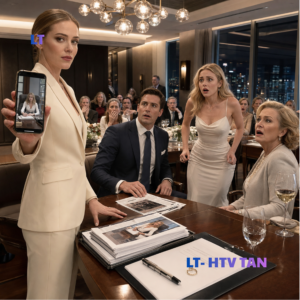
3 Minutes Late, I Found My Fiancé Giving My Seat to His Intern—So I Got Off and Canceled the Wedding
I was only three minutes late for the Acela to Boston, but when I finally reached my assigned seat, I found our new intern sitting there while my fiancé gently stroked her hair and told her I would “understand.” I got off before the doors closed, ended our five-year relationship by text, and thought that would be the end of it. Instead, one stolen train seat exposed something much bigger: my fiancé had been giving away my work, my money, my authority, and eventually my future without ever asking permission. By the time his family tried to force me back into the wedding, I had enough evidence to show everyone exactly what they had planned.
Part 1: One stolen train seat reveals five years of disrespect.
I was three minutes late for the train to Boston.
Three minutes.
I sprinted through Penn Station dragging my suitcase behind me, my lungs burning, sweat gathering beneath my collar. When I finally climbed aboard, the carriage was already crowded and the overhead racks were stuffed with luggage.
Then I saw my seat.
And the woman sitting in it.
Juliet, our new intern, wore a pale pink sweater. A man’s blazer rested across her lap.
I recognized it immediately.
It belonged to my fiancé, Donovan.
He stood beside her with one hand on the seat and the other gently smoothing her hair.
“It’s fine,” he murmured. “Sloan isn’t that petty. You’re nervous about your first business trip. She’ll understand.”
Juliet looked up at him with red-rimmed eyes.
“But this is Sloan’s seat.”
“She’ll understand.”
He said it without even seeing me.
I tightened my grip on my suitcase.
Juliet noticed me first and jumped.
“Sloan. You’re here. I didn’t mean to take your seat. Donovan said I get motion sickness and—”
Donovan finally turned.
His first words weren’t, “Are you okay?”
They weren’t, “You look exhausted.”
He frowned.
“What took you so long? The whole team was waiting.”
I stared at him.
He sighed.
“Look, it’s just a seat. Juliet was up until midnight organizing files. She’s not feeling well. You can sit in her seat.”
He pointed several rows back.
An aisle seat beside a woman holding a baby, with two large bags at her feet.
That wasn’t even Juliet’s ticketed seat.
They had already arranged the swap.
For five years, I had supported Donovan through every promotion, every deadline, every client disaster. I edited proposals at midnight. I entertained clients when he froze. I helped his mother choose furniture for the apartment we planned to share.
And now he had decided my seat belonged to someone else.
“Is this my assigned seat?” I asked.
His jaw tightened.
“Sloan, don’t make a scene.”
I repeated the question.
“Is this my assigned seat?”
The carriage went strangely quiet.
Juliet clutched Donovan’s blazer.
“I’ll move,” she whispered.
She didn’t move.
Donovan looked irritated.
“She’s twenty-two. She’s new. You’re a senior director and my fiancée. Can’t you be more generous?”
That word hit differently.
Fiancée.
As if the title meant I should always surrender first.
I checked the departure clock.
One minute.
Then I turned around.
“Sloan?” Donovan called. “Where are you going?”
An attendant warned me the doors were closing.
“I’m getting off.”
I stepped onto the platform.
The doors slid shut behind me.
Through the glass, Donovan rushed toward the door. His mouth moved.
I knew exactly what he was saying.
Are you crazy?
Juliet stood behind him wearing his blazer.
The train began moving.
My phone buzzed.
Donovan: What’s that supposed to mean?
I looked at the message.
Then I typed four words.
We’re done.
I turned off our shared location, opened the wedding-planning group chat, and sent another message.
Maya, pause everything.
Her reply came instantly.
Are you sure?
I looked at the engagement ring on my hand.
I had paid the difference for it myself because Donovan had laughed and said, “We’re going to be family. What does it matter whose card we use?”
I removed the ring.
I’m sure.
Thirty minutes later, I bought a business-class ticket on the next train.
I wasn’t going to Boston to chase Donovan.
I was going because the Boston project was mine.
Eight months of my work were tied to that client, and I refused to let a broken engagement destroy my career.
Before boarding, Donovan called three times.
I declined all three.
Then his voice message arrived.
“Sloan, are you done with this tantrum? Juliet sat in your seat for a minute. Get over here. The client meeting is your responsibility.”
I saved the recording.
Then I replied.
The project is my responsibility.
You are not.
By the time I reached Boston, Donovan had finally stopped calling.
But when I checked into the hotel, his mother called.
“Sloan,” Vivien snapped, “the wedding planner says the wedding is off. What exactly did Donovan do?”
I stared at the city lights.
“The wedding is off.”
“Don’t be impulsive. It’s in two months. Do you know how much money we’ve already spent?”
“That’s something you’ll have to worry about.”
I hung up.
Then someone knocked.
Through the peephole, I saw Donovan.
Juliet stood behind him.
Donovan leaned toward the door.
“Open up. You’re embarrassing me in front of an intern.”
That was the moment I understood.
He still thought the problem was my reaction.
He had no idea I had already started collecting evidence.
Part 2: His favoritism turns a client meeting into professional disaster.
I called hotel security and reported unwanted visitors outside my room.
The knocking stopped immediately.
That night, Donovan sent twenty-seven messages.
The last came after midnight.
You’d better show up tomorrow and act normal. Don’t let personal issues affect work.
I saved that one too.
The next morning, Juliet apologized loudly enough for nearby colleagues to hear.
“I’m sorry you were so upset yesterday.”
I looked at her.
“You took my seat because Donovan told you to. Ask him why he keeps using my things to do favors for you.”
The restaurant went silent.
Donovan glared at me.
“Sloan, stop being passive-aggressive.”
I opened my laptop.
At 9:30, we reached the client’s office.
Before entering the conference room, Donovan pulled me aside.
“Let Juliet open the presentation.”
I stared at him.
“Why?”
“She prepared all night. She needs exposure.”
“The client needs competence.”
His face hardened.
“Don’t make this personal.”
I closed my laptop.
“Fine. She opens. You own the result.”
Five minutes later, Juliet mispronounced the client’s company name.
By slide three, she was using outdated market figures.
By slide five, she had mixed up a competitor’s strategy.
Then an internal note appeared on screen.
Sloan, this slide feels too aggressive. Donovan says the client prefers a gentler approach.
Mr. Hayes, the client lead, stopped smiling.
Donovan looked at me desperately.
“Sloan, take over.”
I stood, connected my laptop, and presented the approved version.
Twenty minutes later, the room had calmed.
Afterward, Mr. Hayes pulled me aside.
“Sloan, I want you overseeing the final proposal. This contract is too important for training exercises.”
When Donovan returned, he hissed, “Why didn’t you save her sooner?”
I almost laughed.
“You told me not to interfere.”
Juliet began crying.
“I didn’t change everything myself. Donovan said I could optimize it.”
Donovan cut her off.
“That’s enough.”
I saw panic in his face.
So I said quietly, “I’ll send the version history to the whole project team.”
His expression changed.
The next morning, I did exactly that.
The logs showed Juliet had edited fifteen pages after the official version was finalized.
And Donovan had approved them.
David Sterling, our deputy lead, looked at him.
“Explain.”
Donovan glanced at me.
It was the look he had given me for years whenever he wanted me to rescue him.
I drank my water.
I said nothing.
Juliet finally blurted, “But you told me Sloan’s proposal was too aggressive.”
The room shifted.
Donovan turned pale.
David made the decision immediately.
“Sloan leads the client review. Donovan attends as observer. Juliet loses editing access.”
After the meeting, Donovan cornered me.
“Are you satisfied?”
“No.”
“You’ve humiliated me.”
“No. Your decisions did that.”
He stepped closer.
“You’re throwing away five years because of one seat.”
I looked directly at him.
“It was never about the seat.”
Then I explained.
It was him knowing the seat was mine and giving it away anyway.
It was him seeing me exhausted and asking why I was late.
It was him touching another woman’s hair and deciding I would understand.
It was him assuming my comfort, my work, and my dignity were his to redistribute.
He stared at me.
Then he said the one thing that proved he still understood nothing.
“You’re jealous.”
I laughed.
That night, I cancelled my authorization for the mortgage payment on our apartment.
Ten minutes later, he called in panic.
“Sloan, what happened to the payment?”
“The wedding is off. Why should my money keep supporting your household?”
“We’re still engaged.”
“No.”
“I haven’t agreed to break up.”
I looked out over Boston.
“I don’t need your permission.”
Then I ended the call.
The next day, an anonymous message arrived.
It contained a screenshot.
And suddenly I realized Juliet hadn’t only been trying to take my fiancé.
She had been preparing to take my job.
Part 3: The stolen seat was only the beginning of their plan.
The group chat was called Boston Task Force.
Juliet had written:
Sloan will probably scale back after the wedding anyway. Donovan says I’ll start taking over more client relationships.
Another message followed.
She’s too intense. Donovan thinks she should focus more on personal life.
I stared at the screen.
Months earlier, Donovan had told me, “After we marry, you can step back. I’ll take care of us.”
I had heard love.
Now I heard strategy.
The next morning, I requested the Boston project’s access logs.
They showed Juliet had repeatedly downloaded my strategy models, client profiles, and early-stage proposals.
Donovan had granted the permissions.
I forwarded everything to David Sterling.
This requires a compliance review.
He called immediately.
“You understand this involves Donovan.”
“We’re no longer engaged.”
By afternoon, Juliet stormed into my office.
“Are you trying to ruin my life?”
I looked up.
“Leave. Then knock.”
She froze.
“I’m just an intern.”
“And I’m just the person whose files you downloaded.”
“Donovan told me I could.”
“That isn’t authorization.”
Ten minutes later, Donovan appeared.
“You sent compliance after her?”
“I reported unauthorized access.”
“I gave her permission.”
“Then they’ll investigate you too.”
His face went rigid.
“This is retaliation.”
“No. The engagement is personal. Data policy is business. You just managed to fail at both.”
Two days later came the family dinner.
Vivien had invited every aunt and uncle.
And Juliet.
She sat beside Donovan in a white dress, looking fragile.
Vivien smiled tightly.
“Sloan, you two had a little spat. There’s no reason to cancel a wedding.”
I sat near the door.
An aunt shook her head.
“Five years together, and you’re throwing it away because an intern sat in your seat?”
I looked at her.
“Give Juliet your chair.”
She stiffened.
“Excuse me?”
“You said it’s just a seat.”
No one spoke.
I placed the dissolution agreement on the table.
Then the apartment agreement.
Then the wedding contracts.
Vivien’s expression changed as she read.
I had paid $150,000 of the $200,000 down payment.
Another $60,000 toward renovations.
Most wedding deposits were charged to me.
And thanks to an agreement my late father had insisted on, my contribution to the apartment was legally protected.
Vivien had signed it herself.
Then I played the recording Juliet had unknowingly given me outside my hotel room.
Donovan says being with you is exhausting. He feels relaxed with me. What does five years matter?
Juliet shot upright.
“You recorded me?”
“You came to my room to provoke me.”
Donovan stared at her.
“You said that?”
I opened more screenshots.
Coffee posts.
Late-night work photos.
A photograph of Juliet sitting in my office chair holding my fountain pen.
Caption:
One day I’ll be sitting here too.
Then I showed them the Boston Task Force messages.
Juliet had expected me to step back after marriage.
Donovan had told her future core project opportunities would come through him.
The room went dead silent.
Donovan finally whispered, “Nothing happened between us.”
“I know.”
He looked confused.
“I’m not leaving because I caught you cheating. I’m leaving because you already replaced me in your mind.”
His face collapsed.
I pushed the dissolution agreement toward him.
“You gave her my seat. Then my work. Then access to my future.”
Vivien stood up.
“You can’t do this to our family.”
I picked up my bag.
“I’m not part of your family.”
As I walked out, Donovan followed.
But before he reached me, my phone buzzed.
Compliance had found something worse.
Juliet had transferred confidential Boston project files to a private email account.
And Donovan’s name was attached to the access trail.
Part 4: The investigation exposes betrayal far beyond their relationship.
The formal compliance meeting began at ten the next morning.
David Sterling sat at one end of the table. HR and compliance sat beside him.
Donovan faced me.
Juliet sat behind him.
The investigator projected the logs.
“Juliet repeatedly accessed restricted project files without authorization from the primary project owner.”
Juliet shook her head.
“I only wanted to study them.”
“You also transferred several files to a private email account.”
Her face drained.
“That’s my personal email.”
“Company policy prohibits that.”
Then came the question.
“Who gave you access?”
She looked at Donovan.
He swallowed.
“I did. But I never authorized external transfer.”
Juliet snapped.
“You told me Sloan would step back after the wedding. You said I needed to learn the Boston project.”
Donovan turned sharply.
“I never told you to violate policy.”
There it was.
Favoritism had lasted only until accountability arrived.
Then they turned on each other.
David opened another document.
“Donovan, why does your contribution report list Juliet as a core participant?”
Silence.
Finally he said, “I wanted to give her an opportunity.”
“Using my work?” I asked.
Juliet broke.
“You told me Sloan was too aggressive! You said you needed someone easier to work with.”
Then she added the sentence that ended every remaining illusion.
“You said you were marrying her because five years was too much history to throw away.”
Donovan slammed his palm against the table.
“Juliet!”
Too late.
The final decision was simple.
Juliet’s internship was terminated.
Donovan lost his Boston project authority and entered formal performance review.
I was appointed project lead.
Outside the room, he caught up with me.
“I didn’t know she sent those files.”
“I believe you.”
His eyes searched mine.
“You don’t care anymore, do you?”
I stopped.
“When I cared, you called me difficult. Now that I don’t, you can’t stand it.”
That afternoon, Vivien called screaming that I had destroyed her son’s career.
I told her the truth.
“Donovan lost authority because of Donovan’s decisions. Juliet lost her internship because of Juliet’s decisions. And you owe me money because you borrowed it.”
That last part became important.
My lawyer reviewed three years of messages.
Vivien had borrowed $38,000 from me.
Every request came with the same promises.
I’ll pay you back next month.
Don’t tell Donovan.
My investment hasn’t matured yet.
At settlement, she tried to call the money gifts.
So I played her own voice messages.
Donovan stared at his mother.
“You borrowed thirty-eight thousand dollars from Sloan?”
Vivien looked away.
“It was for family expenses.”
“Why didn’t you tell me?”
She snapped, “Because your salary barely covers the mortgage.”
The room became completely silent.
Then I laid out the numbers.
Apartment down payment: $200,000.
My contribution: $150,000.
Renovation: $100,000.
My contribution: $60,000.
Wedding deposits: $48,000.
My contribution: $41,000.
For five years, they had called me family whenever they needed something.
But when I asked for respect, suddenly I was “too assertive.”
Donovan lowered his head.
Then my lawyer handed him the dissolution agreement.
His hand trembled.
Before he signed, I placed one final document in front of him.
It was an email Juliet had sent after being fired.
Attached were screenshots of her conversations with Donovan.
One message read:
Get familiar with Boston. Sloan will probably scale back after the wedding. You can take her place. I need someone like you working with me.
Vivien looked at her son in horror.
Donovan went white.
And for the first time, no one could call it “just a seat.”
Part 5: His final confession comes after every door has closed.
Donovan tried to explain.
“I was venting. I never promised Juliet anything permanent.”
“It doesn’t matter.”
He looked at me helplessly.
“You planned my future without asking me.”
I pointed to the agreement.
“Sign.”
Vivien protested.
“Donovan, don’t!”
He suddenly turned toward her.
“Mom, stop making a scene.”
I almost smiled.
That phrase.
The phrase they had used on me whenever I resisted.
Now Vivien finally heard what it sounded like from the other side.
Donovan signed.
Afterward, he followed me into the hallway.
“Sloan.”
I stopped.
He looked exhausted.
“I’ll cut Juliet off completely. I’ll sell the apartment. I’ll make sure Mom repays you. I know I was wrong.”
Then his voice broke.
“Please don’t go.”
I remembered the train doors closing.
He had stood inside.
Juliet behind him.
He had watched me step onto the platform.
He could have followed.
He didn’t.
“You didn’t get off the train that day,” I said.
He froze.
“So don’t chase me today.”
I entered the elevator.
This time, I was the one closing the door.
The financial settlement took several weeks.
Donovan returned my apartment contributions in installments.
Vivien repaid her loans reluctantly, sending angry messages with every transfer.
I blocked her.
The Boston project recovered.
Then it expanded.
Mr. Hayes approved a second phase, and David Sterling publicly named me as the continuing lead.
Donovan was transferred out of the core business unit.
Juliet tried posting online about being bullied by a jealous fiancée, but the company’s legal team removed anything containing confidential project information.
Then someone reposted her photograph in my office chair.
The caption she had written beneath it followed her everywhere.
One day I’ll be sitting here too.
People understood.
She hadn’t simply wanted mentorship.
She had wanted replacement.
Months later, Donovan and I met one final time at the lawyer’s office to complete the last asset document.
After the notary stamped the papers, I stood to leave.
Outside, Donovan called my name.
“I keep thinking about that train.”
I turned.
“If I’d told Juliet to move… or if I’d gotten off with you… would things be different?”
I considered the question.
“Yes.”
His breath caught.
“But you didn’t.”
His eyes filled.
“I’m sorry.”
“I accept your apology.”
Hope flickered across his face.
Then I finished.
“But accepting an apology doesn’t mean reopening a door.”
He lowered his head.
We never spoke again.
Two months later, the Boston client held a celebration dinner for the project’s successful first phase.
Mr. Hayes handed me a bouquet.
“You were steady when things weren’t,” he said. “That’s why we stayed.”
After dinner, I returned to the station for the kickoff meeting of phase two.
I arrived thirty minutes early.
No sprinting.
No panic.
I bought coffee and walked calmly to the platform.
My ticket was business class.
Window seat.
When I reached it, the seat was empty.
Mine.
I put away my suitcase and sat down.
As the train began moving, Maya texted me.
Congratulations on the second phase. And congratulations on being single again.
I smiled.
Then another message appeared.
Do you still believe in love?
I watched the city slide past my window.
For a moment, I thought about the woman I had been months earlier, breathless and exhausted, standing in the aisle while someone else occupied the place she had paid for.
Then I typed:
I believe in love.
But I believe in myself more.
I turned off my phone.
Outside, the morning sky was clear.
For a long time, I thought getting off that first train meant I had thrown away five years.
I was wrong.
I hadn’t thrown away five years.
I had stopped throwing away the rest of my life.
And that was the final truth Donovan never understood.
The day he gave away my seat, he thought I would simply move somewhere less comfortable.
Instead, I picked up my luggage, walked off his train, and found one going somewhere better.
THE END.
All the characters and events in this story are fictional and created for the purpose of storytelling and entertainment.
If this story brought you a moment of reflection, comfort, or curiosity, then it has truly fulfilled its purpose.
Thank you sincerely for reading. Your feedback and support are always appreciated and inspire me to keep sharing more stories with you.








