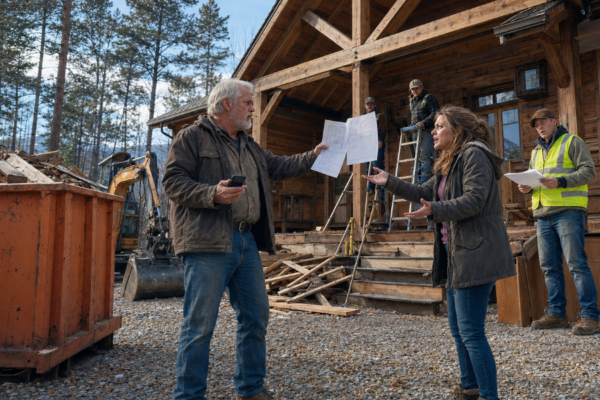
My daughter-in-law wanted complete independence. I agreed. What she didn’t know was that, for years, my money had quietly supported the life she wanted to keep private from me. After one cold phone call, I opened a manila folder, called my attorney, and finally gave her exactly what she demanded.
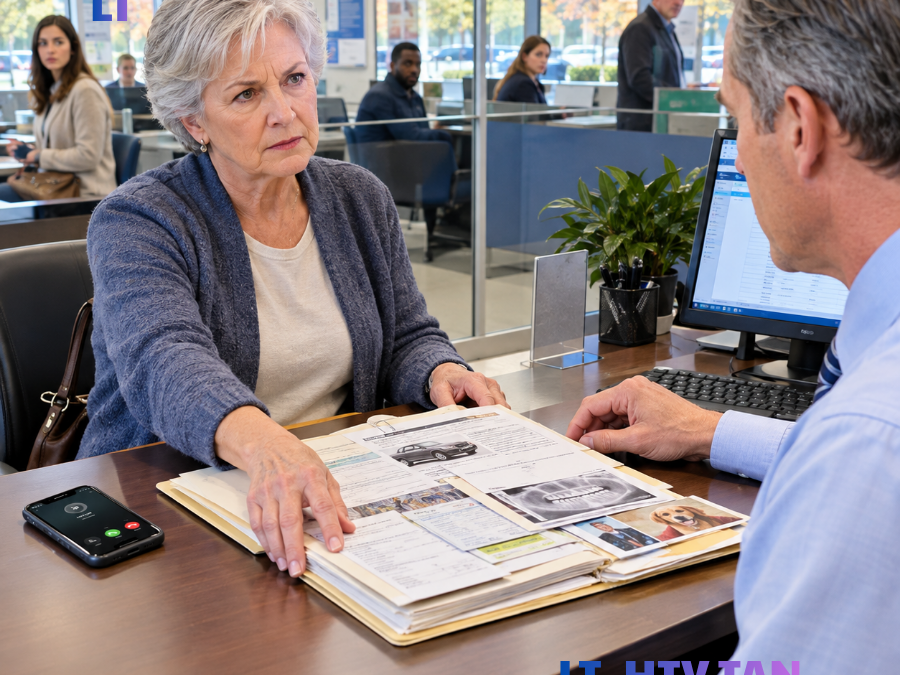
## Part 2: I stopped being their safety net and reclaimed myself.
Marcus handled the banking changes quietly.
No speeches. No judgment.
Just signatures, account numbers, confirmation screens.
By noon, several automatic payments I had carried for years were scheduled to end.
Driving home, I expected guilt to settle over me.
Instead, I felt strangely light.
For the first time in years, Tuesday afternoon belonged to me.
I brewed Earl Grey tea and sat near the bay window while frost disappeared from my neighbor’s lawn. No toddler schedule. No grocery list. No casserole cooling on the stove for someone else’s freezer.
Later, I opened the ledger again.
I had kept careful records out of habit from my work at the historical society.
Now the pattern was impossible to miss.
The colder Cassidy became toward me, the more often Grant quietly asked for money.
“Cassidy’s business had a slow month.”
“The dog needs treatment.”
“We’re short after the plumbing repair.”
“Could you cover insurance just until Christmas?”
Christmas had passed twice.
I picked up the red marking pen I used when cataloging discrepancies in county records and drew one clean line through every planned contribution for the next quarter.
No veterinary reserve.
No repair fund.
No emergency grocery money.
No insurance.
If Cassidy wanted to build a fortress around her household, she could pay for the bricks.
Then I closed the ledger.
That Thursday, instead of leaving my schedule open in case Cassidy needed childcare, I enrolled in an intermediate watercolor class at the community center.
The instructor was an eccentric retired teacher named Arthur who wore paint-splattered overalls and spoke to his brushes like old friends.
Two women, Evelyn and Sarah, sat beside me.
My first attempt at autumn trees looked more like orange clouds growing out of mud.
Sarah laughed at hers.
“So do mine.”
Soon all three of us were laughing over crooked brushstrokes and terrible coffee from the hallway urn.
It had been years since I had spent an entire morning somewhere my usefulness wasn’t measured by errands.
The next day, I volunteered to help digitize pioneer journals at the county library.
My calendar began filling with things I actually wanted.
On Saturday, Grant called twice.
I let both calls go to voicemail.
His message came ten minutes later.
“Mom, uh… do you still have my winter tires in your garage? We’re going to need them. Call me.”
I looked toward the garage door.
Four heavy tires were stacked behind my gardening tools.
For years, I would have loaded them into my SUV, driven across town, and acted grateful for ten minutes with my grandson.
Not anymore.
I deleted the voicemail.
Grant knew where the tires were.
He could arrange to collect them like any other adult storing property at someone else’s home.
Cassidy, meanwhile, apparently interpreted my silence differently.
She believed I was sulking.
According to Grant, she told him I would eventually call and apologize because I was “too lonely to stay angry.”
I almost laughed when I heard that later.
Because Cassidy had misunderstood the one thing that mattered.
I wasn’t angry.
I was done.
And on Sunday evening, the consequences finally reached their new address.
Grant’s car pulled sharply into my driveway.
Thirty seconds later, he was pounding on my front door.
## Part 3: My son demanded his old privileges, but found boundaries.
Grant entered before I had fully invited him inside.
His face was red from the cold—or anger.
Probably both.
He tossed his keys onto my hallway console.
“Cassidy got the insurance renewal notice.”
I stood near the kitchen doorway holding a mug of chamomile tea.
“I assumed she would.”
“Do you have any idea what this is going to cost us?”
His voice rose enough that the old version of me would have immediately tried to calm him.
That woman had spent years believing peace meant absorbing everyone else’s discomfort.
I no longer agreed.
“I was told your new life was none of my concern,” I said. “I simply removed my financial support from it.”
Grant stared at me.
“That was Cassidy venting. Moving was stressful.”
“She seemed very clear.”
“You can’t cut us off like strangers because of one phone call.”
I took a slow sip of tea.
“Strangers don’t pay your bills, Grant.”
Silence.
His jaw tightened.
“Family helps each other.”
“Yes.”
I placed my mug on the counter.
“And family doesn’t treat each other like unwanted trespassers.”
He looked away.
That was when I knew he understood.
Maybe not completely. Maybe not enough to admit it.
But he understood.
I had never demanded daily phone calls or unlimited access to their home. I had never told Cassidy how to raise her child, run her marriage, or spend her money.
I had simply expected ordinary respect.
Instead, they had moved fifty miles away without telling me and then informed me their address was none of my business.
“You wanted boundaries,” I said. “I’m respecting them on every level.”
Grant rubbed both hands over his face.
“We budgeted around that insurance.”
There it was.
Not: I’m sorry.
Not: We hurt you.
We budgeted around your money.
I felt something inside me settle permanently.
“Then your budget needs adjusting.”
His shoulders dropped.
After a moment, he spoke more quietly.
“Cassidy thinks you’ll cave.”
I waited.
“She says you’re doing this because you’re lonely.”
I walked to the front door and opened it.
A cold evening breeze moved into the hallway.
Grant looked at me.
I looked directly back.
“Tell Cassidy loneliness is infinitely preferable to being treated with contempt.”
His lips parted.
Nothing came out.
He reached for his keys.
For a second, I saw the little boy he had once been—the quiet child who built model airplanes beside his father’s workbench and avoided every argument by disappearing downstairs.
His father had worked long hours at the mill.
I had spent my life trying to make Grant feel safe.
Maybe I had made things too safe.
Adult life required a spine, and I could not grow one for him.
He stepped onto the porch.
“Are you really going to throw away the whole family over this?”
“No,” I said.
“You’re confusing withdrawing money with withdrawing love.”
His expression changed.
I continued.
“I love you. I love my grandson. But I will no longer pay for the privilege of being tolerated.”
Grant stood frozen under the porch light.
Then he walked toward his car.
I watched his taillights disappear before closing the door.
The deadbolt clicked into place.
I thought that conversation was the hardest boundary I would have to draw.
I was wrong.
Because the next morning, I called my estate attorney.
And what I removed next was worth far more than car insurance.
## Part 4: My attorney revealed how deeply their entitlement had reached.
Eleanor Hayes had handled my estate planning since my husband died.
She was sharp-witted, practical, and incapable of wasting words.
When I sat across from her mahogany desk Tuesday afternoon, I placed the same manila folder between us.
“I want to revise my living trust.”
Eleanor adjusted her glasses.
“How extensively?”
“Grant and Cassidy are currently beneficiaries and financial representatives.”
“They are.”
“I want that changed.”
She studied me for a moment.
“This isn’t something I’d recommend doing in anger.”
“I’m not angry.”
That answer seemed to satisfy her more than anything else could have.
We reviewed the trust page by page.
For years, I had assumed Grant would inherit the bulk of my estate and that he and Cassidy would responsibly manage whatever remained for their son.
But recent months had taught me something important.
Love did not require blindness.
If Cassidy could treat my financial assistance as an entitlement while insisting I had no legitimate place in their private world, handing her future control over my estate made no sense.
Still, my grandson had done nothing wrong.
“I want his education protected,” I said.
Eleanor nodded.
“We can establish a dedicated education trust managed by an independent trustee. Neither parent would have direct access to the principal.”
“That’s exactly what I want.”
The change was simple on paper.
Emotionally, it felt enormous.
Grant and Cassidy were removed as financial representatives.
Their direct beneficiary status was removed.
The portion I still wished to preserve for my grandson was redirected into a protected education fund that could not become anyone’s mortgage payment, new car, vacation budget, or emergency spending account.
Eleanor slid the final documents toward me.
“Your grandson remains cared for,” she said. “But the adults will no longer control the money.”
I signed.
The fountain pen moved smoothly across the page.
Eleanor stamped the documents with a heavy notary seal.
The sound echoed through her office.
“You know,” she said, gathering the papers, “most people wait until family conflict becomes catastrophic before doing this.”
“I waited long enough.”
When I returned home, afternoon sunlight stretched across the hardwood floor.
My half-finished watercolor sat beside the window.
I added golden yellow to the trees.
For the first time, my future looked like the painting—unfinished, imperfect, but finally mine.
Weeks passed.
Grant called once in late November.
His voice was cautious.
They wanted help with holiday travel expenses.
I declined politely.
Cassidy had apparently purchased a used SUV and taken a part-time remote design contract.
They were adapting.
Exactly as independent adults do when no one else quietly pays the difference.
December arrived early, frosting my windows.
One Saturday evening, Evelyn, Sarah, and Arthur came over for beef stew and crusty sourdough bread.
Laughter filled my dining room.
Halfway through dinner, my phone lit up.
Grant.
I almost ignored it.
Then I saw the message beneath his name.
Mom, Cassidy found out about the trust. She’s coming over.
Before I could answer, headlights swept across my living room wall.
And a car door slammed outside.
## Part 5: The final confrontation proved love and money were never identical.
Cassidy stood on my porch with Grant several steps behind her.
For once, she didn’t look controlled.
Her cheeks were flushed, her coat half-buttoned.
“You removed us from your trust?”
I opened the door but stayed in the doorway.
“Yes.”
She stared at me.
“You’re punishing us.”
“No.”
“You took Grant out because we moved?”
“I changed my estate plan because your actions clarified our relationship.”
Grant looked exhausted.
Cassidy folded her arms.
“So that’s it? We set one boundary and you disinherit your own son?”
I could hear Evelyn and Sarah quietly clearing dishes in the dining room behind me.
There were witnesses now, though I didn’t need them.
I had stopped doubting myself weeks ago.
“You asked for privacy and independence,” I said. “I respected both.”
“That doesn’t mean you erase your family.”
“I didn’t.”
Cassidy laughed sharply.
“You literally removed our names.”
“From financial control. Not from my heart.”
She went still.
I continued.
“My grandson’s education is fully protected.”
Grant looked up.
“What?”
“There is an education trust for him. Independent trustee. Neither of you can access the principal.”
Cassidy’s face changed first.
Shock.
Then anger.
Then something much more revealing.
“Neither of us?”
“No.”
“What if we need it for an emergency?”
“It belongs to his future.”
“But we’re his parents.”
“And you are responsible for supporting your household.”
The silence that followed told me more than any argument could.
Cassidy had not come because she feared I had stopped loving her husband.
She had come because she feared she had lost access to money she had already counted as eventually theirs.
Grant saw it too.
He slowly turned toward her.
“Cass,” he said quietly. “Did you already know how much Mom’s trust was worth?”
Cassidy didn’t answer.
That silence was the final truth.
Grant’s face went pale.
“You told me this was about family.”
“It is.”
“No,” he said, looking at her with an expression I had never seen before. “You’re upset about the money.”
Cassidy’s eyes flashed.
“You think money doesn’t matter?”
“I think my mother has been paying our bills for years while you kept telling me she was interfering with our lives.”
She opened her mouth.
Grant finally did something he had avoided his entire adulthood.
He held his ground.
“We moved without telling her because you said she needed to learn boundaries,” he continued. “But you still expected her to pay the insurance.”
Cassidy glanced toward me.
I said nothing.
There was nothing left for me to prove.
After several tense seconds, Cassidy turned and walked toward the car.
Grant remained on the porch.
“I’m sorry, Mom.”
The words were quiet.
But they were the first apology that contained no request afterward.
I nodded.
“I love you.”
His eyes filled.
“I know.”
“That doesn’t mean things go back to the way they were.”
“I know that too.”
He followed Cassidy toward the driveway.
I closed the door gently.
Not triumphantly.
Not angrily.
Just finally.
That winter, my life continued expanding.
Thursday watercolor classes became something I looked forward to all week. Evelyn knitted me a wool shawl. Arthur convinced me to enter one of my autumn landscapes in the community center exhibition.
At the historical society, I helped digitize a collection of pioneer journals that had sat untouched for almost seventy years.
Grant began calling occasionally without asking for anything.
Sometimes we spoke for ten minutes.
Sometimes only three.
Cassidy rarely joined those conversations, and I stopped needing her to.
They found their footing.
She expanded her design work. Grant took extra shifts. They adjusted their spending.
In other words, they became the independent household Cassidy had insisted they were.
One Sunday morning, I sat beside the fireplace with a hardcover book in my lap and looked toward the mantel.
My grandson’s photograph smiled back at me.
I understood something then that I wished I had learned twenty years earlier.
Love and rescue are not the same thing.
Helping someone does not require financing their disrespect.
And boundaries are not weapons unless they are used to control someone else.
Mine were simply doors.
People who treated me with love could walk through them.
People who wanted only what I could provide financially would find them closed.
Outside, snow covered the Ohio neighborhood in clean white silence.
Inside, my home smelled of cinnamon, tea, and the beef stew warming for another dinner with friends.
My phone sat quietly on the counter.
I wasn’t waiting for Cassidy’s approval.
I wasn’t waiting for Grant to choose sides.
I wasn’t waiting for anyone to decide whether I deserved a place in their life.
At sixty-eight years old, I had finally stopped measuring love by how much of myself I was willing to surrender.
Cassidy wanted independence.
In the end, I gave it to all of us.
THE END.
All the characters and events in this story are fictional and created for the purpose of storytelling and entertainment. Thank you sincerely for reading. Your feedback and support are always appreciated and inspire me to keep sharing more stories with you.